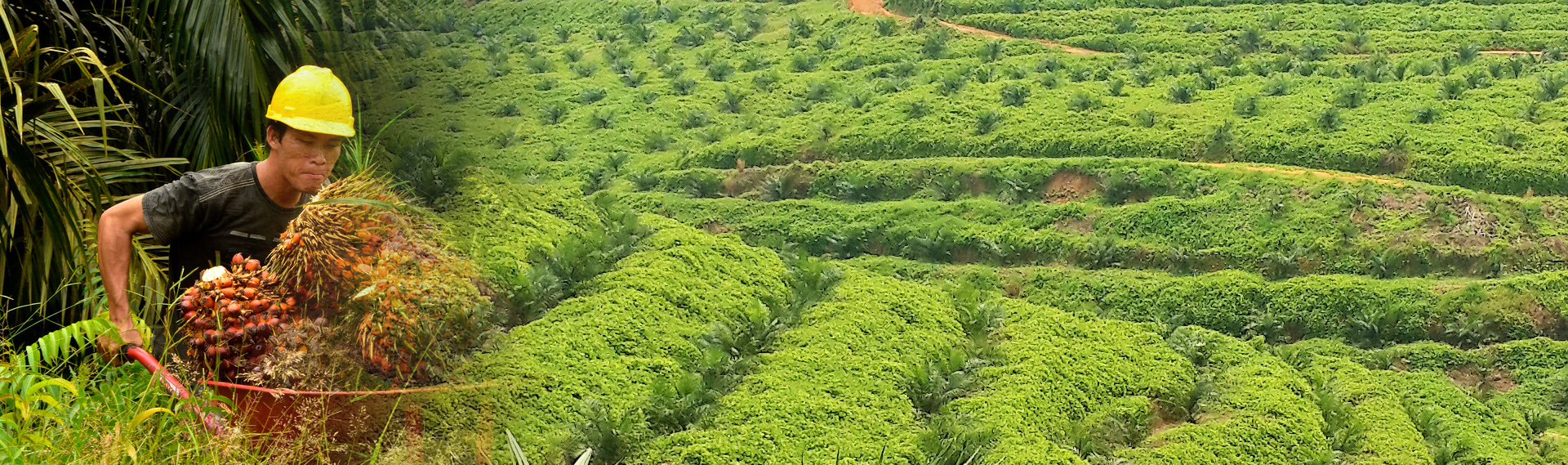
 CARBON MANAGEMENT & CLIMATE REPORTING
A carbon footprint measures the total greenhouse gases produced by human activities. At AEP, we implement comprehensive monitoring and reporting systems across all operations, enabling targeted carbon reduction strategies and climate resilience planning.
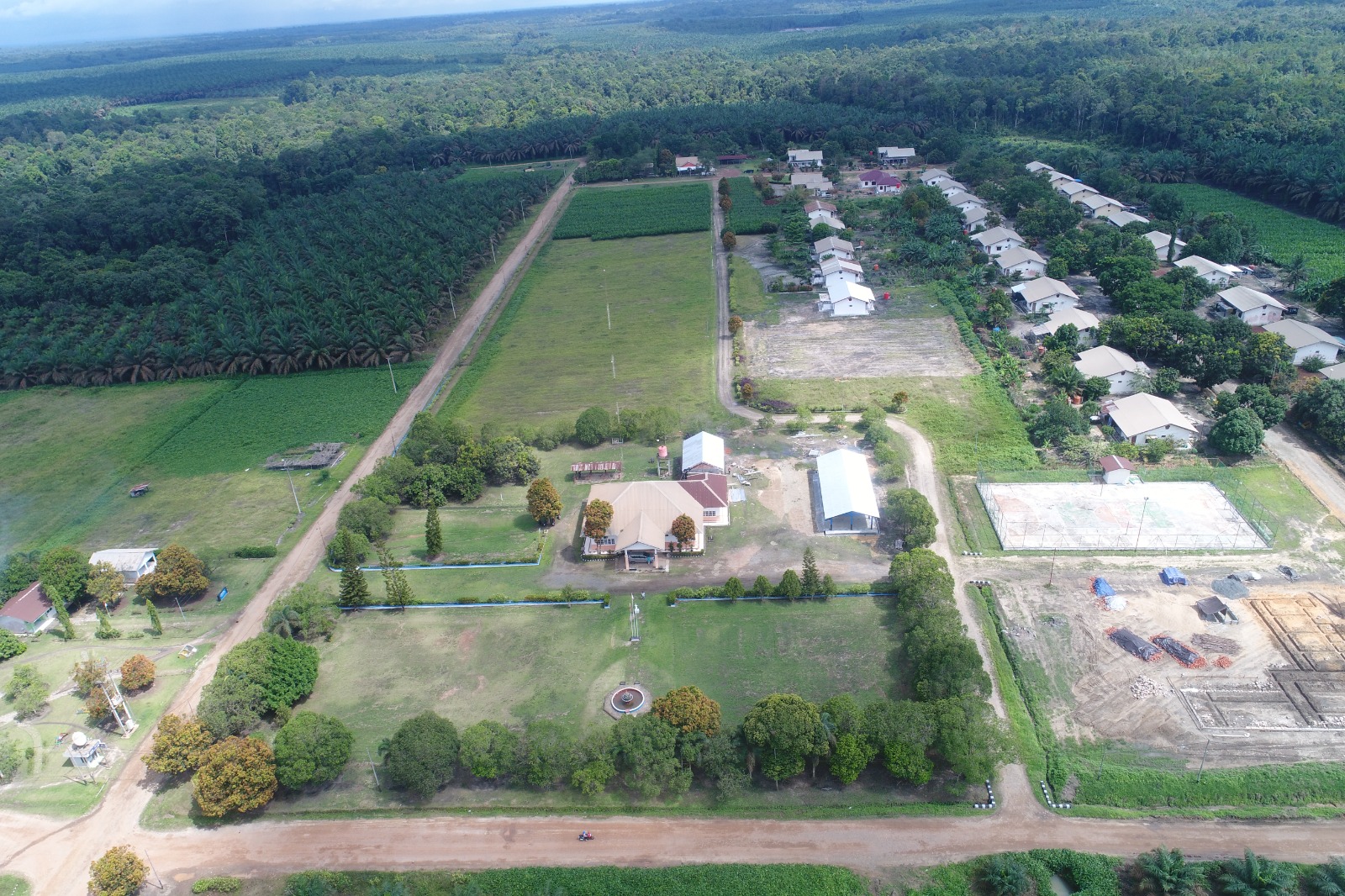
At AEP, all GHG emissions at estate and mill levels are systematically monitored, identified, and quantified. Our assessments follow WBCSD/WRI Greenhouse Gas Protocol standards, using emission factors from authoritative sources including IPCC, Defra, and international energy agencies.
Carbon sequestration values are calculated using OPRODSIM and OPCABSIM growth models from the PalmGHG Tool. Land use emissions and carbon sequestration follow RSPO GHG Working Group 2 methodology, with carbon stock values derived from satellite imagery and literature review for Indonesian and Malaysian oil palm plantations.
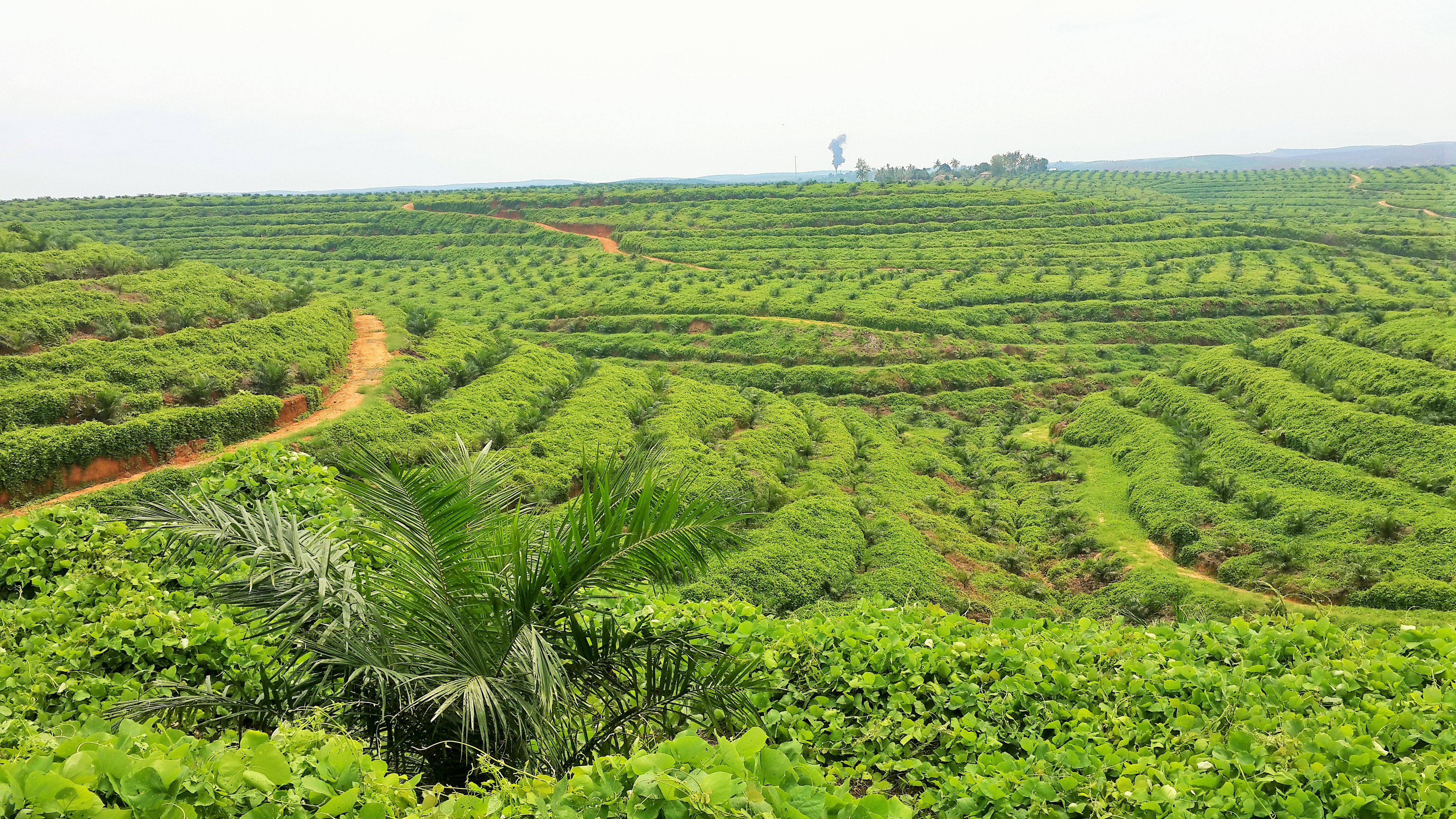
Carbon Sequestration through Oil Palm Cultivation
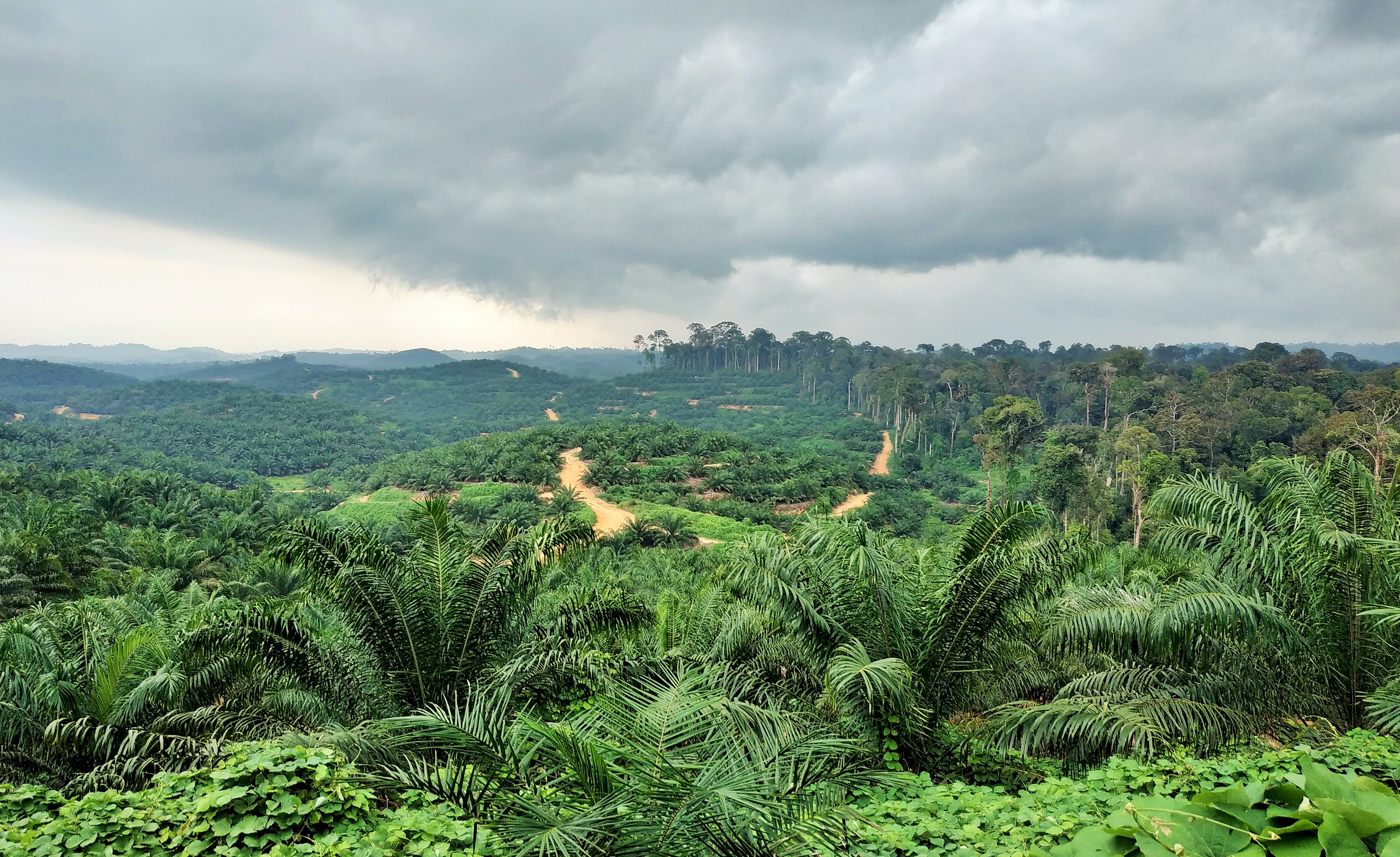
Conserved Forests for Carbon Storage
We implement advanced technologies to capture and utilize methane, a greenhouse gas 21 times more potent than CO₂. Our biogas plants convert palm oil mill effluent into renewable energy, generating carbon credits while reducing fossil fuel dependence.

Advanced Biogas Plant for Methane Capture
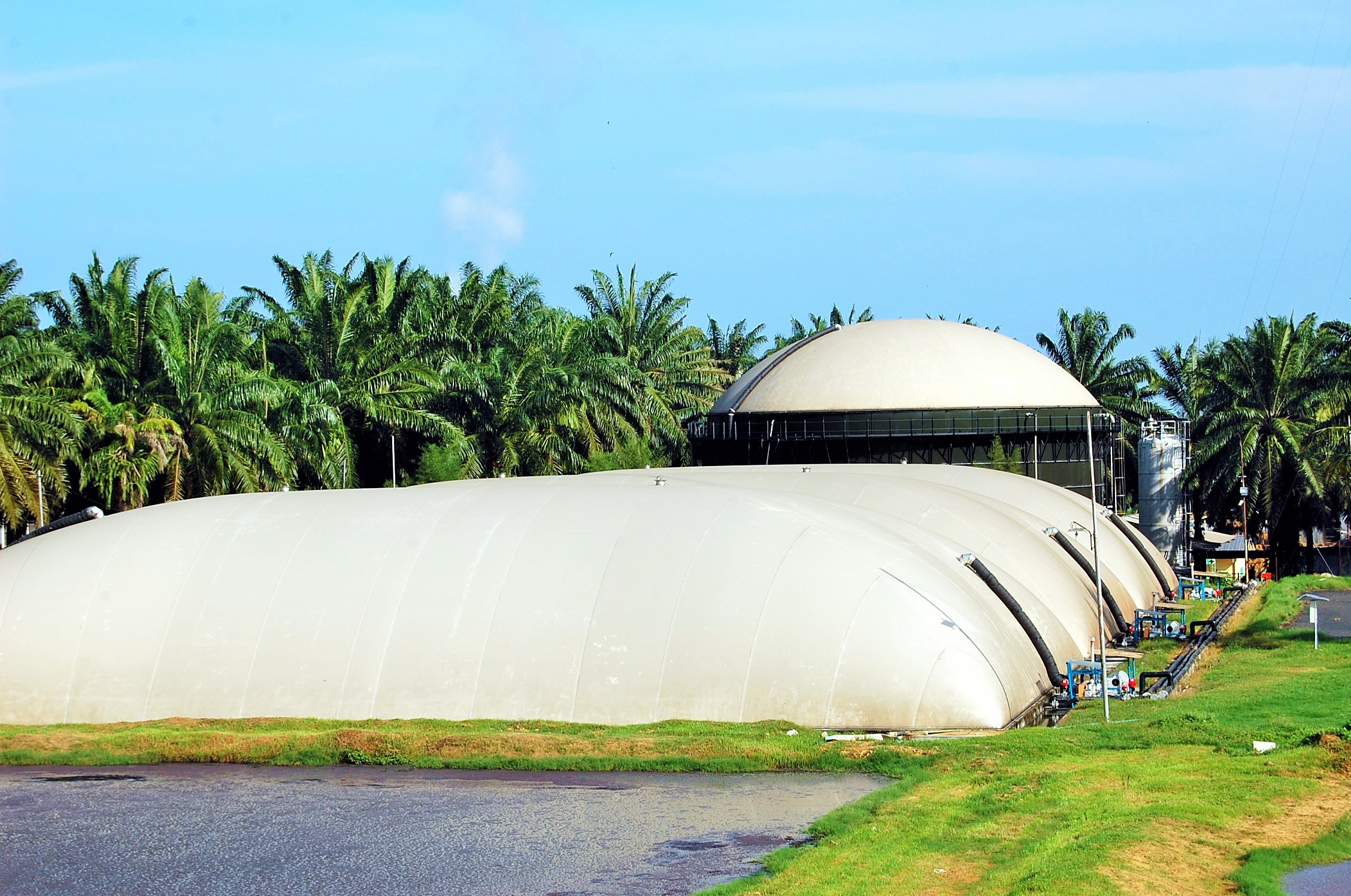
Methane Capture Generating Carbon Credits
AEP has published Scope 1 and 2 emissions reports following UK's Streamlined Energy and Carbon Reporting (SECR) guidelines since 2018. Starting 2023, we expanded to include Scope 3 GHG emissions, publishing a complete inventory based on the GHG Protocol for comprehensive supply chain transparency.
From owned or controlled sources
From purchased electricity, steam, heating & cooling
All other indirect emissions in value chain
Recognizing climate change impacts on operations, AEP conducts comprehensive Climate Risk Assessments (CRA) to identify disruption likelihoods and potential business impacts. Our Climate Scenario Analysis (CSA) follows TCFD recommendations, using detailed models to understand climate-related risks and opportunities across business models, operations, and financials.
Identifies likelihood of climate disruptions and business impacts for strategic prioritization
View CRA ReportTCFD-recommended analysis using narrative descriptions and quantitative models
View CSA ReportBegan publishing Scope 1 & 2 emissions under UK SECR guidelines
First comprehensive CRA to identify climate-related business risks
Added comprehensive Scope 3 emissions reporting across value chain
TCFD-aligned Climate Scenario Analysis for strategic planning
For technical inquiries about our carbon reporting methodology, climate risk assessments, or sustainability reporting, contact our Environmental Reporting Department: ehs.aepmi@aepplantations.id