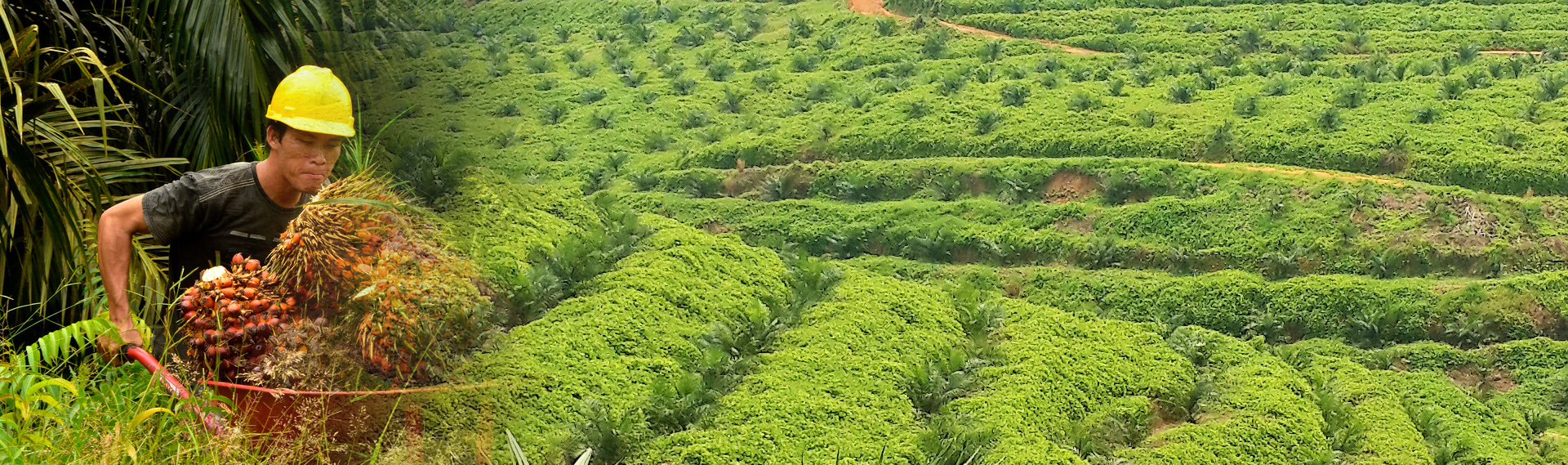
 SOIL MANAGEMENT
AEP Nusantara Plantations implements comprehensive soil management strategies to prevent erosion, conserve nutrients, and maintain soil health while avoiding cultivation in sensitive areas with steep slopes, marginal soils, or high conservation values.
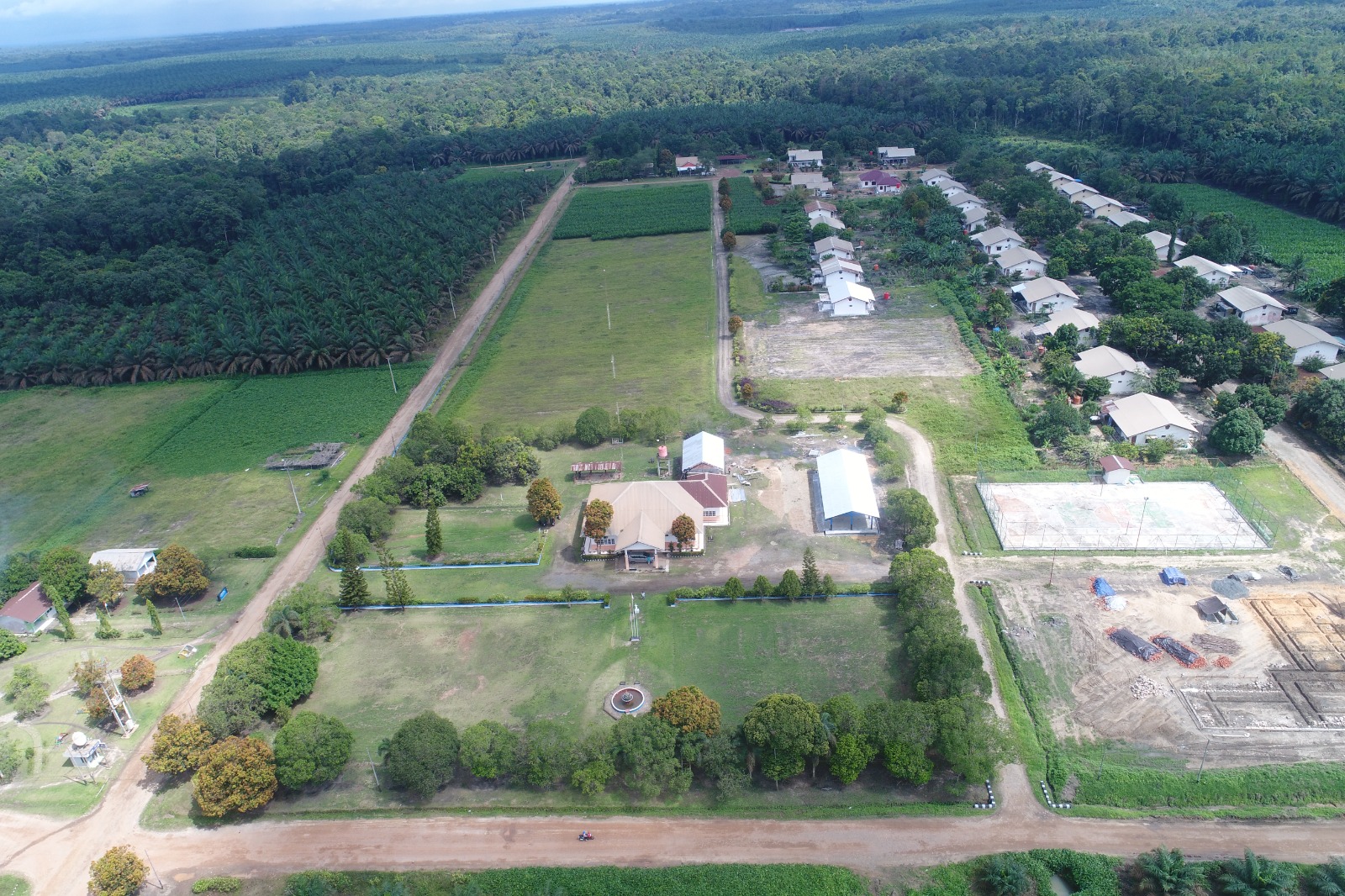
Our Group avoids land-clearing in very steep areas, marginal soils, and areas with high conservation values or high carbon stocks. In hilly regions, we implement terraces, strategic road design, and drainage systems to minimize soil erosion, prevent landslides, and conserve water and nutrients.
We implement sophisticated water management systems including silt pits and stop bunds to control runoff, trap sediment, and conserve water resources while preventing soil degradation.
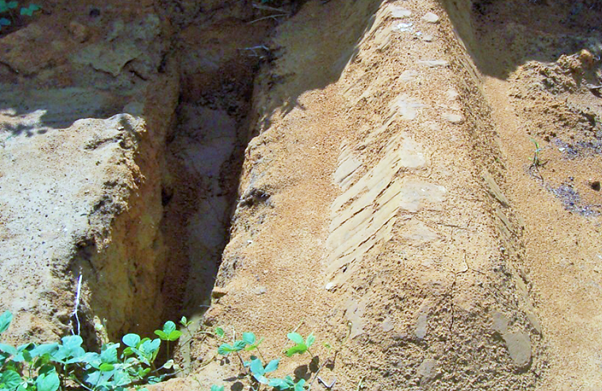
Silt Pit & Stop Bund System
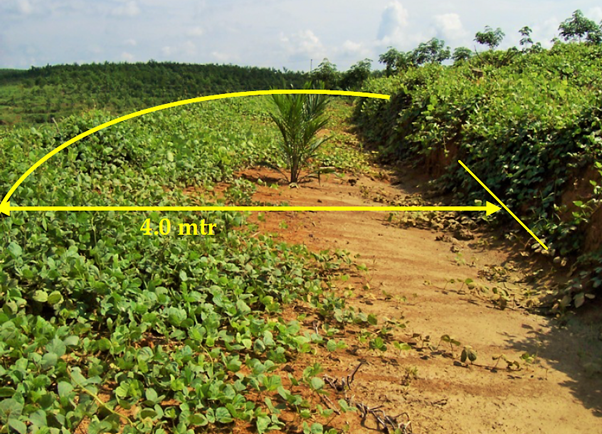
Professional Terracing Standards
Thick undergrowth of legumes such as Mucuna bracteata is standard practice in immature plantation areas to conserve soil moisture, control erosion, suppress weeds, and optimize fertilizer usage. In mature areas, we strategically stack cut fronds to conserve moisture and prevent soil washouts.
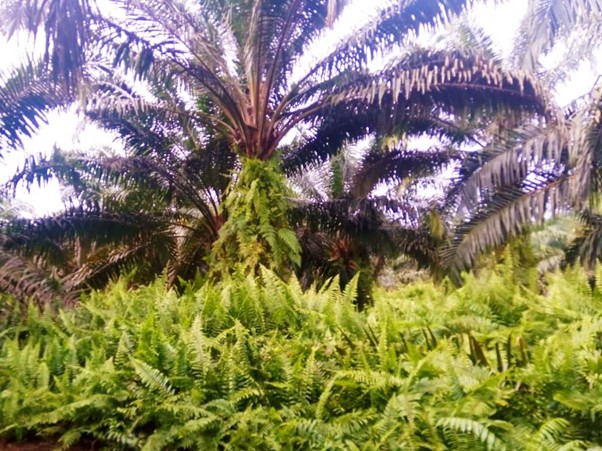
Natural Ground Cover with Nephrolepis Species
In most inter-rows, we actively encourage the growth of soft grasses and Nephrolepis species to provide natural ground cover, further enhancing soil conservation and ecosystem stability.
Several estates practice the application of Palm Oil Mill Effluent (POME) on palm rows as part of our comprehensive soil management strategy. These efforts conserve soil quality while significantly reducing dependence on chemical fertilizers.
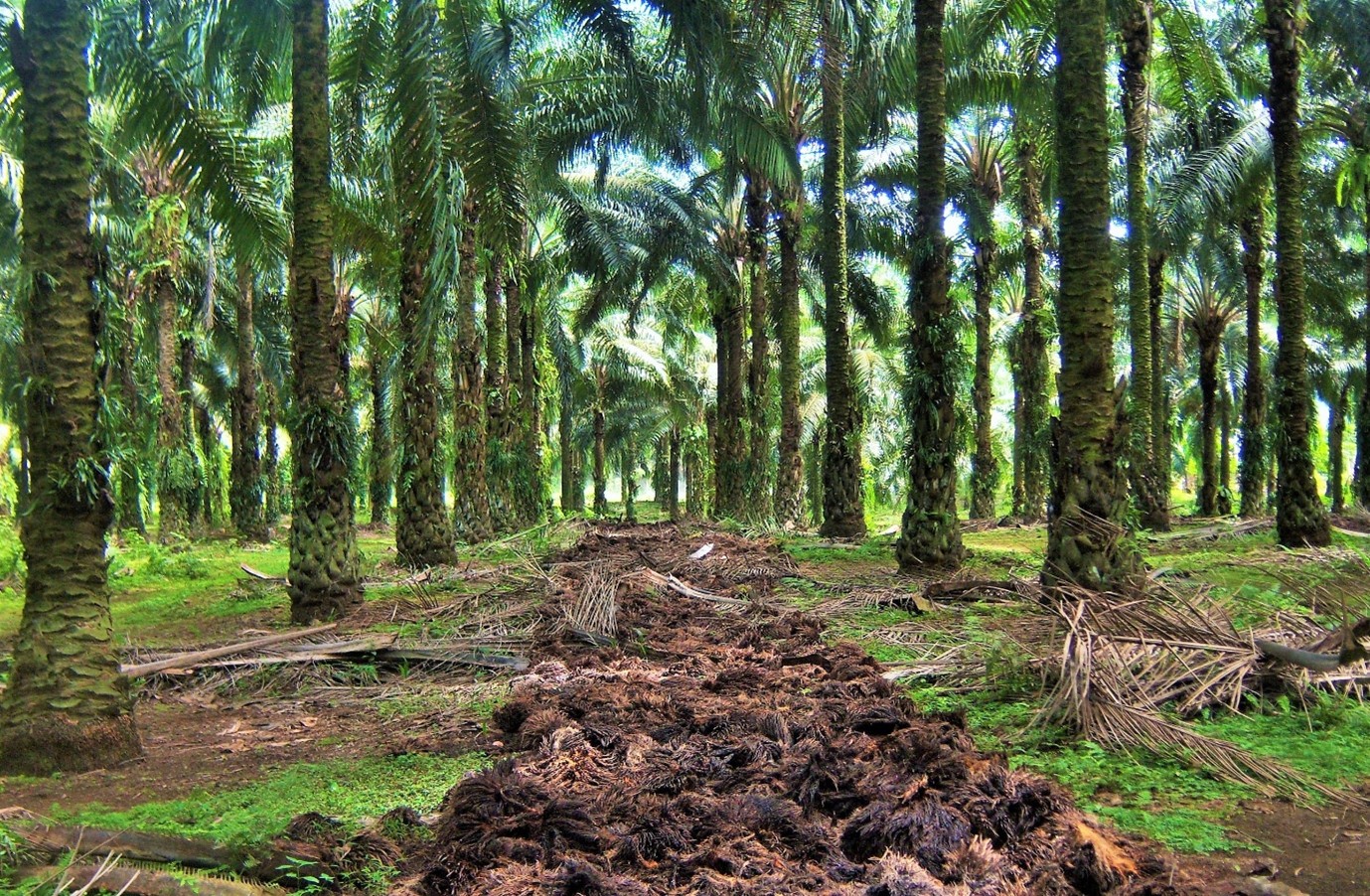
Empty Fruit Bunch Application
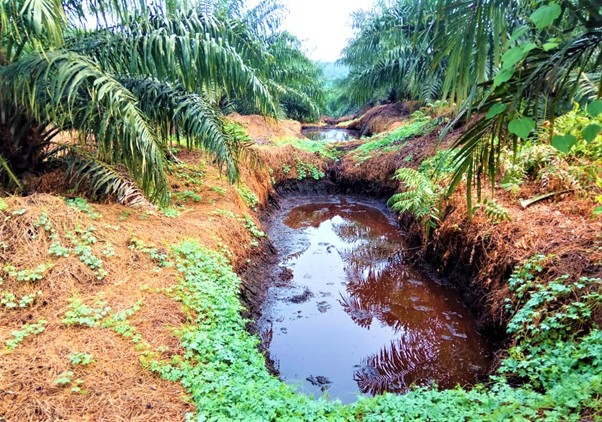
POME Application for Soil Enrichment
These organic fertilization methods represent our commitment to zero-waste operations while enhancing soil fertility through natural nutrient cycling.
Reduced soil loss by 70-80% through proper terracing
40-50% better water retention with ground cover
Reduced chemical fertilizer use by 30-40%
Contour-based terracing for slope stabilization
Mucuna bracteata for nitrogen fixation
EFB and POME application for natural fertilization
Silt pits and drainage for controlled runoff
Interested in our soil management research or potential collaborations? Contact us: ehs.aepmi@aepplantations.id